
The Little Man’s Business
Pinocchio (Tania Zamorsky Edition)The Little Man turns children’s longing to avoid school into a profitable system of concealment, transport, transformation, and sale.
increasing Bearing strength in each event
 decreasing
Bearing strength in each eventdecreasingA Country Without Lessons
The Sales Pitch
A Child’s Wish
Lucignolo tells Pinocchio that Toyland has no schools, teachers, or books, and that every day is devoted to play. The description is designed around exactly the desires that have repeatedly made Pinocchio vulnerable.
A Quiet Recruiter
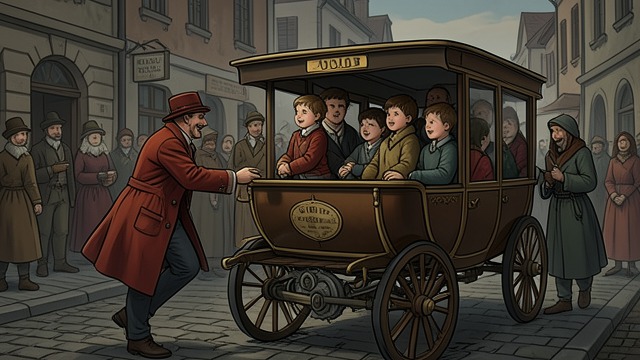
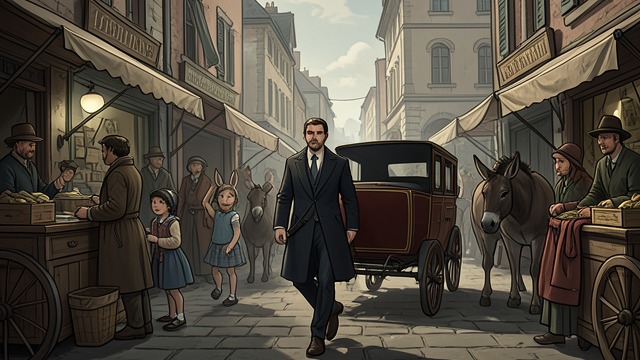
The Little Man’s arrival seems friendly and harmless, while the carriage is already crowded with eager boys. The cheerful promise conceals a commercial operation that depends on children failing to see its real purpose.
The Silent Carriage
A Carefully Run Deception
No Sound of Wheels
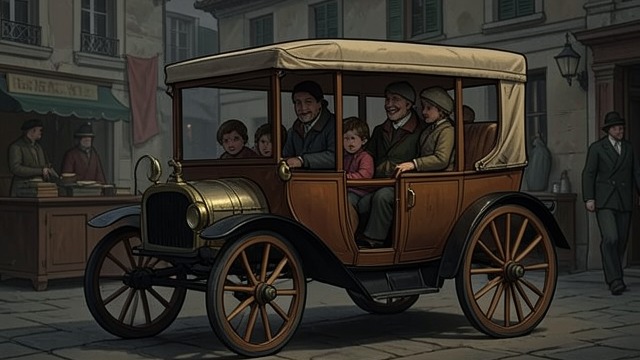
The Toyland Carriage moves quietly because its wheels are wrapped in cloth and tow. Its crowd of children accepts cramped, uncomfortable travel because they expect a life without study.
A Repeated Persuasion
Pinocchio initially says he will stay home, but the other boys and Lucignolo call to him from inside. The Little Man does not need to force him aboard; the promise and the group’s excitement do the work.
Children Turned to Donkeys
Profit Revealed
The Concealed Mechanism
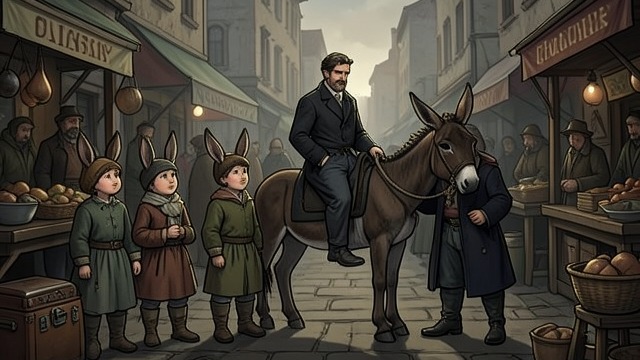
Pinocchio and Lucignolo begin growing donkey ears and soon become real donkeys. The apparent paradise is revealed as a device for changing idle children into saleable animals.
The Little Man’s Business
The Little Man collects the transformed boys and sells them at markets. Their fate explains the carriage’s cheerfulness as a cover for exploitation, not an innocent offer of endless fun.
Two Different Buyers
Animals Sold
Divergent Destinations
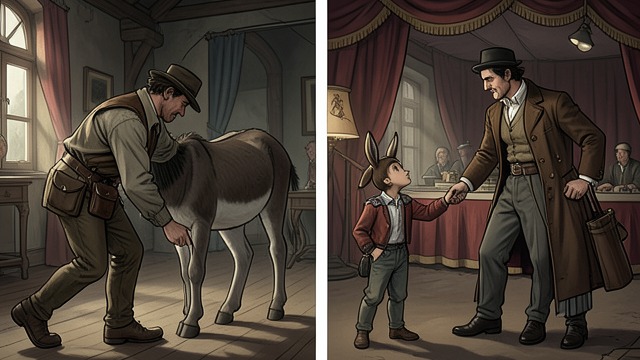
A farmer buys Lucignolo after his own donkey dies, while a circus director buys Pinocchio for performances. The boys are separated by market transactions after having shared the same choice.
A System Beyond the Journey
The Little Man’s profit depends on more than one successful carriage ride: transformed children are distributed to buyers who can extract further labor from them. Pinocchio’s circus life extends the exploitation he thought he had escaped.
The Business Behind the Smile
The Scheme Explained
A Profitable Cycle
The narrator explains that the Little Man travels from place to place collecting children who dislike books and school. He uses promises and charming manners to fill his carriage.
Wealth from Deception
After the boys become donkeys, he sells them at fairs and markets and grows rich. The account exposes how a personal temptation becomes organized exploitation, linking individual choices to a predatory system.
The night before the Toyland departure
At midnight, before the boys reach Toyland
Five months after arrival in Toyland
Immediately after the transformation
After Pinocchio’s purchase by the circus
